


Chester County Pricing Reality Check: What Your Budget Buys by Home Type
House hunting in Chester County can feel like you're shopping in three different markets at once—because in many ways, you are. A quiet borough street, a horse-country lane, and a commuter-friendly neighborhood can all sit within a short drive, yet the "same budget" plays out very differently in each setting. The best way to stay confident (and sane) is to stop thinking in list prices alone and start thinking in home types, lifestyle trade-offs, and total monthly ownership costs. Let's break down what buyers commonly get at different price points, and how to decide which path fits your priorities.
First, a quick reality check: Chester County pricing is heavily shaped by school zones, proximity to SEPTA/major routes, lot size, and renovation level. Two homes with identical square footage can land far apart in price if one sits in a top-ranked district with a turnkey kitchen while the other needs systems updates or has a longer commute. When you focus on "budget by home type," you'll spot patterns faster—and you'll be less likely to overpay for features you don't actually need.

Townhomes and twins (attached homes): If you're aiming for lower-maintenance living, attached homes often stretch a budget further than a single-family at the same price. Many buyers find that their money buys a more updated interior—think refreshed flooring, newer appliances, and finished lower levels—because the land component is smaller and exterior maintenance may be shared through an HOA. The trade-off is typically less privacy, smaller yards (or patios instead), and rules around parking, exterior changes, or rentals. For commuters, townhomes near key routes can be a strategic play: you may get a newer build, better insulation, and predictable costs, especially when big-ticket exterior items are managed collectively.
Condos: Condos can look like a bargain on purchase price, but the monthly math matters. HOA fees vary widely based on amenities, reserves, and what's included (trash, water, exterior, snow removal). The upside is convenience: lock-and-leave living, fewer surprise maintenance weekends, and often a more central location. The downside is limited ability to customize and less leverage over building decisions. If you're comparing a condo to a small single-family, calculate the "all-in" monthly payment and ask for HOA financials and reserve studies early—those documents tell you whether the low list price is a true value or a risk.
Smaller single-family homes: In many Chester County pockets, entry-level detached homes tend to be older and may need incremental updates. Buyers with realistic expectations can find solid bones—good layouts, manageable yards, and the freedom to renovate over time. Your budget here often buys you control: no shared walls, more privacy, and flexibility for pets, gardens, and future additions. But you'll want to plan for systems: roofing life, HVAC age, windows, and electrical capacity. A smaller home with strong mechanicals can be the smarter purchase than a larger one with deferred maintenance, even if the larger home "looks better" on a quick tour.
What Changes as You Move Up: Space, Land, and "Turnkey" Premiums
As budgets rise, the difference isn't just square footage—it's the combination of land, location, and finish level. Chester County has a healthy appetite for homes that are truly move-in ready: renovated kitchens, updated baths, fresh paint, and cohesive design. Those listings can attract multiple offers quickly, and the premium is real. If your budget is tight, consider whether you'd rather compete for turnkey—or buy a home with a great layout and update it in phases.
Mid-range single-family in established neighborhoods: This is the sweet spot many buyers chase: a detached home with a functional yard, a garage, and a neighborhood feel (sidewalks, nearby parks, easy access to schools). Here, your budget starts to buy you lifestyle consistency—places for kids and dogs to play, storage for hobbies, and the ability to host comfortably. The most common pricing differentiator in this band is renovation quality. A well-executed kitchen remodel and modern primary bath can add a meaningful premium, while dated—but clean—homes often offer negotiation room if you can tolerate cosmetic projects.
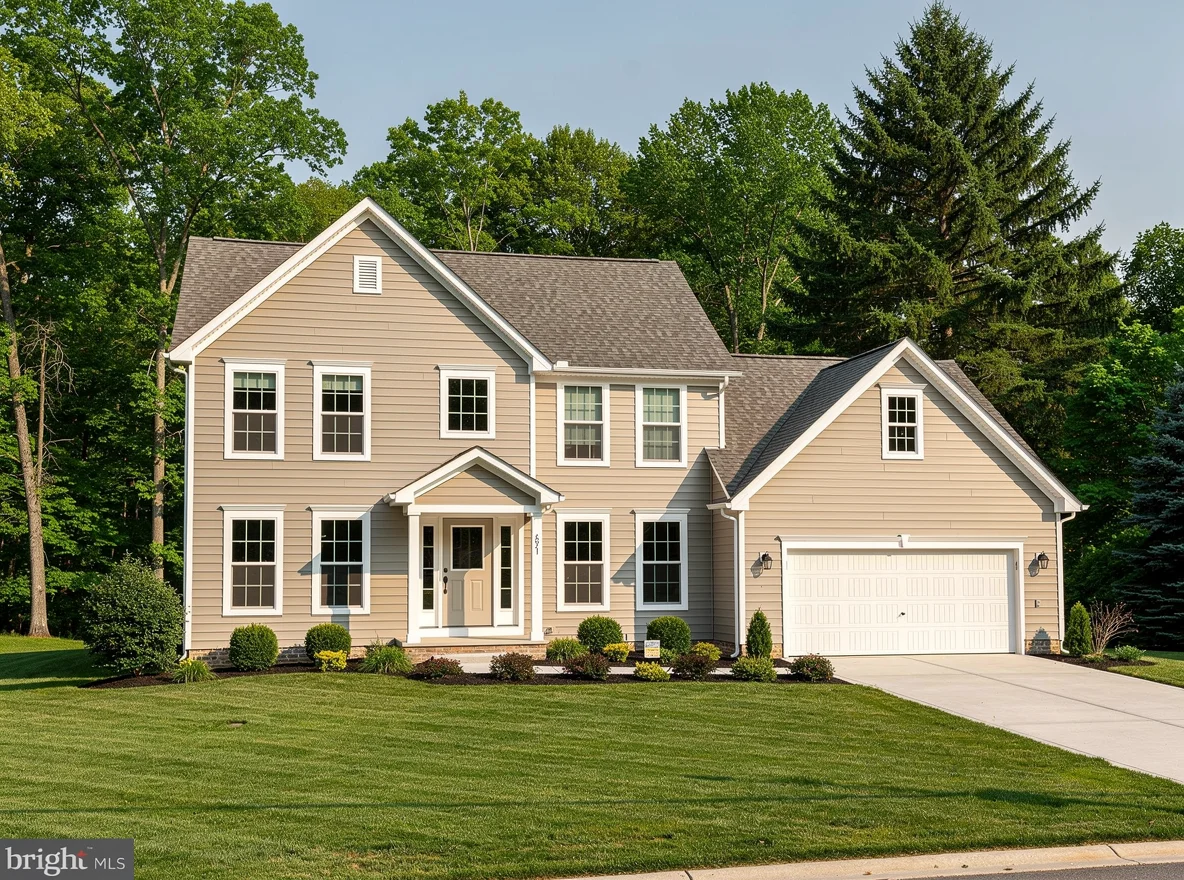
Larger homes and newer builds: When you step into larger square footage or newer construction, you're often paying for open-concept living, higher ceilings, and a more predictable repair schedule in the early years of ownership. The premium can be worth it if you value home offices, guest suites, and flexible bonus rooms. However, it's easy to underestimate the "hidden" costs of bigger homes: higher utilities, more furniture needs, and larger future maintenance projects (more roof, more HVAC zones, more landscaping). Many buyers do better by choosing a slightly smaller home in the right location and spending strategically on a renovation that matches their style.
Farmettes and acreage properties: Chester County's countryside is iconic, and acreage brings a different kind of value—privacy, views, outbuildings, and room for gardens or hobby agriculture. But land changes your inspection priorities. Septic, well yield, drainage, fencing, driveway condition, and outbuilding integrity matter just as much as the kitchen. Insurance and maintenance can be higher, and commuting can be longer. For some buyers, that's the dream; for others, it's a lifestyle shift that's best tried with eyes wide open and a clear maintenance plan.
How to Match Budget to Lifestyle (Instead of Just Bedrooms)
If you're trying to decide between home types, start with three non-negotiables and rank them: location/schools, condition, and lot/privacy. Most budgets can max out two, but not all three at once. For example, if the school district and commute are top priorities, a townhome or smaller detached home may be the most efficient way to get there. If privacy and outdoor space matter most, you may accept an older interior or longer drive.
Also consider the "next five years" version of your life. Will you need a dedicated office, a first-floor bedroom option, or space for multigenerational visits? Are you planning renovations, and if so, do you want a home with the layout that supports them? A beautiful renovation can't fix a floorplan that doesn't suit you. In many cases, buyers build the best long-term value by buying the right footprint in the right area—then upgrading finishes over time as budget allows.
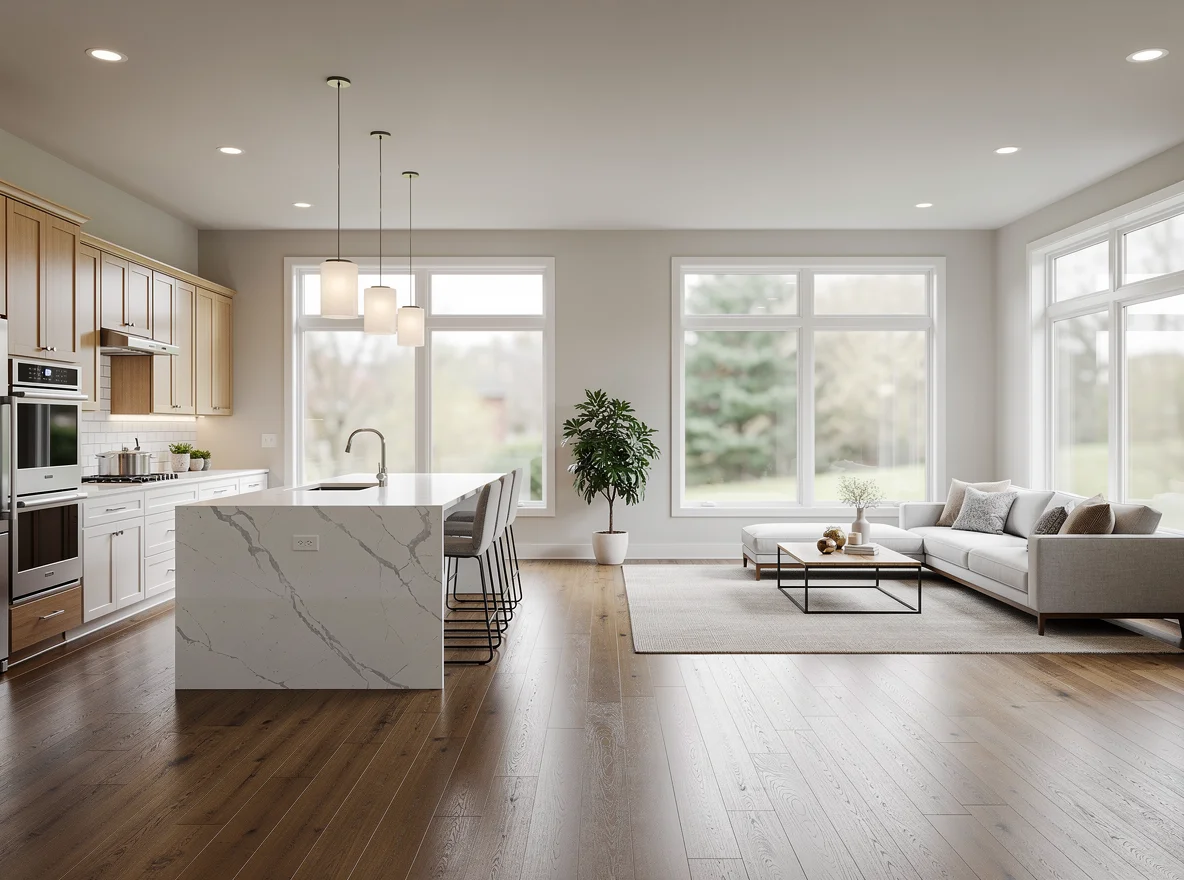
Local amenities and everyday joy: The best budget decisions often come down to daily routines. Chester County offers a mix of scenic parks and trails, community events, historic charm, and easy access to larger employment hubs. Buyers who love weekend hikes, farmers' markets, and quiet drives often gravitate toward areas with more land and views. Those who want quick dinners out, easy errands, and a shorter commute may prioritize neighborhoods closer to major corridors. Neither choice is "better"—it's simply about what you'll actually use and enjoy.
Market dynamics to keep in mind: Inventory tends to be tight in popular school zones and in truly move-in-ready homes, which can push competition higher. Meanwhile, properties that need cosmetic refreshes or have unique layouts may sit longer and offer better negotiating leverage. If your budget is firm, flexibility becomes your advantage: consider widening your search radius slightly, being open to cosmetic work, or targeting listings with solid fundamentals (roof age, HVAC condition, water management) even if the décor isn't perfect.
Putting It All Together
The most successful Chester County buyers aren't the ones who "find the cheapest house"—they're the ones who understand exactly what their budget is buying, and why. If you want a clear, personalized pricing reality check by neighborhood and home type, Alexander Zay at Real Estate Professional can help you compare options with a practical lens: commute, schools, condition, long-term maintenance, and resale value. With the right expectations and a smart strategy, your budget can feel less limiting—and a lot more empowering.
