

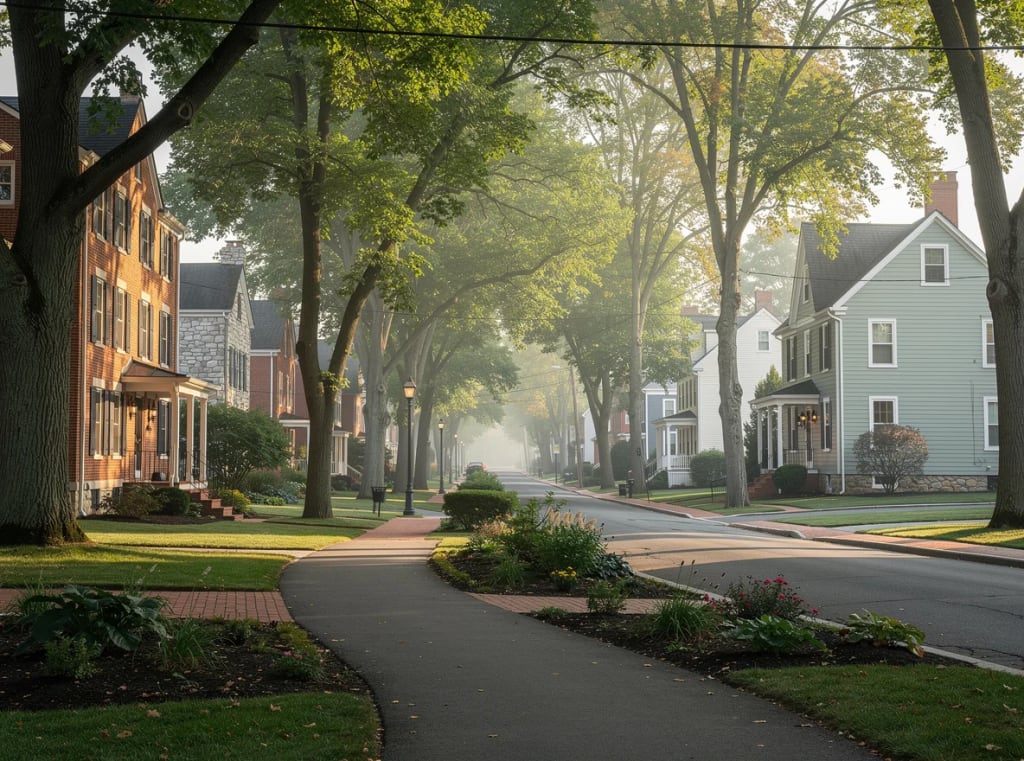
West Chester Home Buying Timeline: From Offer to Keys in Plain English
Buying a home can feel like it's all adrenaline and acronyms—offer, escrow, inspections, contingencies—until suddenly you're holding a set of keys and wondering how you got there. In West Chester, the steps are familiar, but the pace can vary depending on the property, the seller's situation, and how competitive the moment is. The good news: the process is predictable once you see it laid out like a simple checklist. Here's a clear, real-world timeline from the day you write an offer to the day you move in.
Phase 1: Writing the offer (Day 0)
Think of your offer as a package, not just a price. In West Chester, a strong offer usually includes the purchase price, financing type, requested closing date, deposit amount, and the key protections you want—inspection, appraisal, and mortgage contingencies are the big ones. Your agent will also help you decide what to request from the seller (like a home warranty or specific repairs) and what to keep clean and simple to reduce friction.
Once submitted, the waiting game begins. Sellers may accept, counter, or choose another buyer. In a competitive scenario, you might see a quick response; in a more typical one, it may take a day or two as the seller weighs terms and timing. Either way, the goal is the same: get to an accepted agreement that protects you without slowing you down.
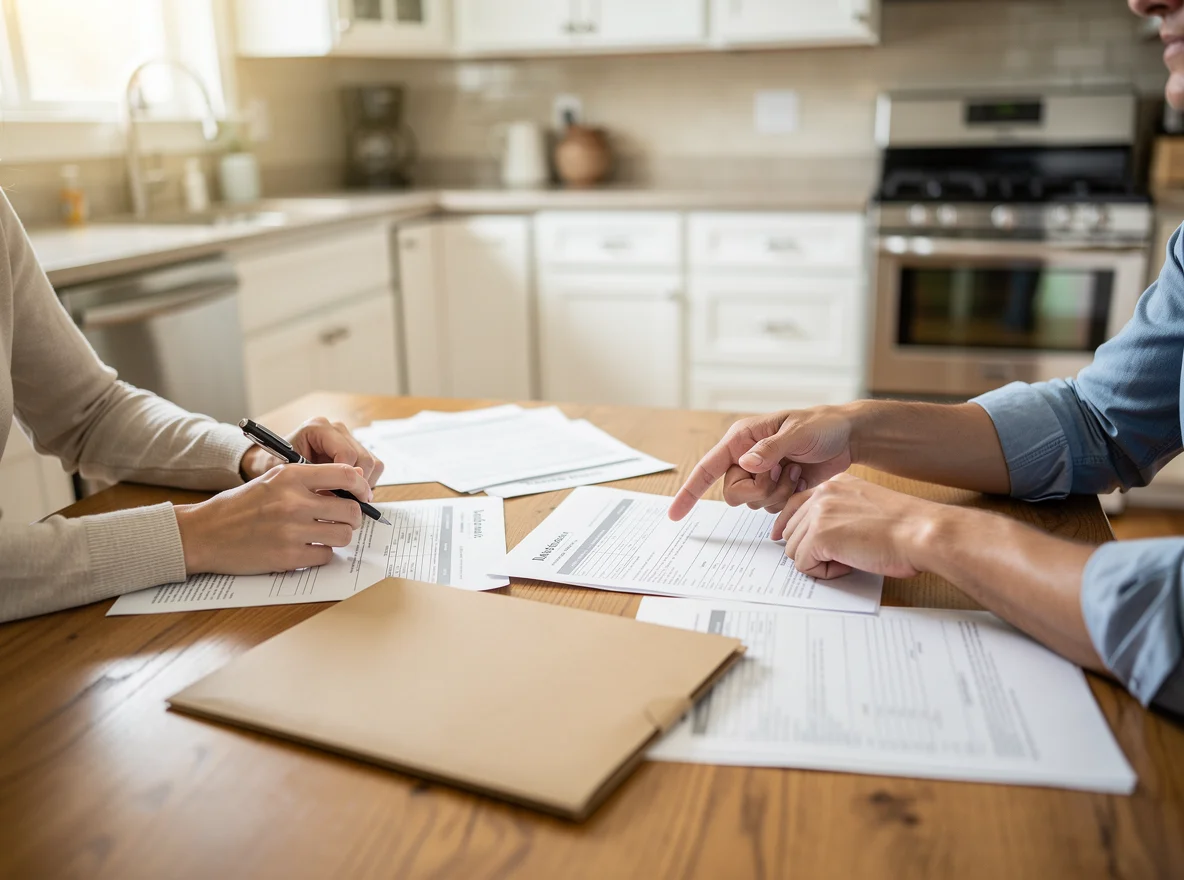
Phase 2: Offer accepted → "under contract" (Days 1–3)
After acceptance, the deal shifts from "negotiation" to "coordination." You'll typically deliver your deposit (often called earnest money) according to the contract timeline, and your lender will move from pre-approval mode into full underwriting. This is also when you'll schedule the home inspection and start collecting documents your lender will request—pay stubs, W-2s, bank statements, and explanations for any large deposits.
Practical tip: avoid making big financial changes once you're under contract. New credit cards, furniture financing, or changing jobs can cause delays when the lender re-verifies your profile. If you're unsure whether something is "safe," ask before you do it.
At this point, your agent is the traffic controller—coordinating access for inspectors, communicating timelines to the listing side, and making sure your deadlines are clearly tracked so nothing slips.
Phase 3: Inspections & negotiating repairs (Days 4–10)
This is your due diligence window. A standard home inspection helps you understand the home's condition—roof age, HVAC performance, moisture concerns, electrical quirks, drainage, and the smaller items that add up. Depending on the property, you may also consider targeted inspections (radon, pests, chimney, sewer scope). The goal isn't to find a "perfect" house; it's to know what you're buying and what it will take to maintain it.
Then comes the repair conversation. In plain English, you have a few routes: request repairs, request a credit, ask for a price reduction, or accept the home as-is. The best strategy depends on the seller's flexibility and what's realistic to address before closing. Many buyers prioritize safety items, functional systems, and water-related issues first, because those tend to matter most for long-term comfort and future resale.
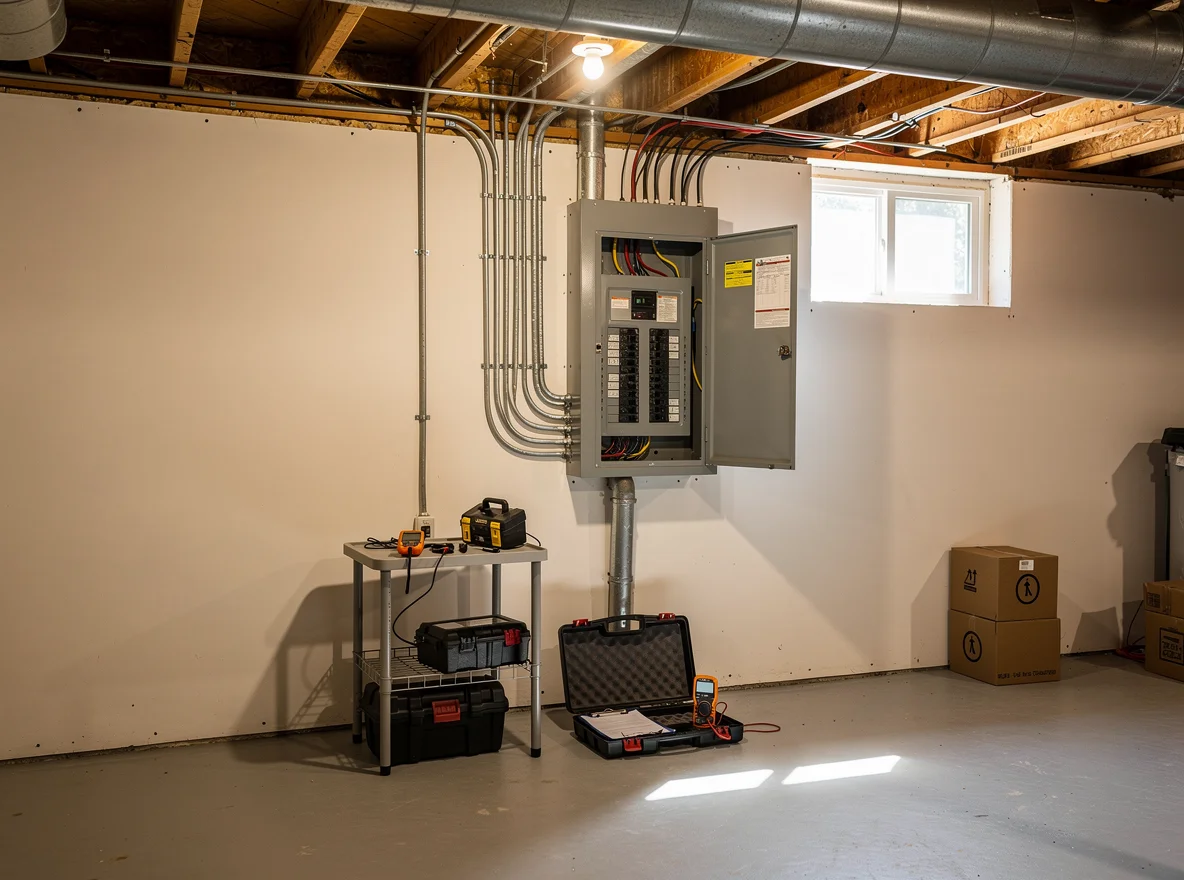
In West Chester's mix of historic homes, classic suburbs, and newer construction, inspections can look very different. Older properties may show charming craftsmanship alongside updated wiring decisions made over decades; newer homes may have fewer "age" issues but still benefit from a thorough review of grading, drainage, and finishing quality. Your job is to decide what you can comfortably handle, what you want addressed now, and what becomes a planned project later.
Once repair terms are agreed to in writing, the deal often feels calmer. You've removed some uncertainty, and you can focus on financing and final approvals.
Meanwhile, don't ignore the lifestyle part of the decision. Use this stage to revisit the area at different times of day—morning commute patterns, evening noise levels, weekend activity. Check proximity to parks and trails, community events, and everyday conveniences. If schools are part of your decision, confirm boundaries and transportation details directly with the district so there are no surprises later.
Phase 4: Appraisal, underwriting, and final loan approval (Days 10–25)
This is the "paperwork and patience" stretch. The lender orders an appraisal to confirm the home's value supports the loan amount. If the appraisal comes in at or above the purchase price, you move forward. If it comes in low, you and your agent will review options—renegotiate price, challenge the appraisal with supporting data, increase down payment, or (in rare cases) pivot away.
At the same time, underwriting happens behind the scenes. Expect requests for updated statements and quick clarifications. The smoother you respond, the smoother the timeline. Your agent and lender will also coordinate any condo/HOA documents if applicable, because those can add extra review time.
While the bank works, you can plan the practical pieces: comparing insurance quotes, lining up movers, and budgeting for closing costs. In Chester County, you'll often see a blend of lender fees, title and escrow charges, transfer taxes (as applicable), and prepaid items like homeowners insurance and property tax escrows depending on your loan setup.
Phase 5: Title work, final walkthrough, and closing day (Days 25–35+)
Title and escrow are about making sure ownership transfers cleanly and funds move securely. The title company confirms there are no liens or legal issues that would prevent you from taking ownership. You'll receive disclosures and a final Closing Disclosure (CD) from your lender with the exact numbers—review it carefully, ask questions early, and confirm how you'll deliver funds (wire instructions should be verified by phone using trusted contact info to avoid fraud).
The final walkthrough typically happens within 24–48 hours of closing. You're verifying the home's condition is the same as when you agreed to buy it, that agreed-upon repairs are done, and that the seller has removed belongings if required. This is also when you test basics—lights, faucets, appliances included in the sale, garage door openers—so you're not troubleshooting immediately after move-in.

Closing day itself is usually straightforward: you sign documents, the lender funds the loan, the deed records, and then you get the keys. The exact moment you can move in depends on when recording completes and what your contract says about possession (most buyers get possession at closing, but it's worth confirming).
If you're working with a local pro like Alexander Zay at Real Estate Professional, a big part of the value is making sure your timeline doesn't rely on guesswork—deadlines are tracked, communication stays tight, and the plan adjusts quickly when something unexpected pops up.
A simple "plain English" summary
- Day 0: Submit offer (price + terms + protections).
- Days 1–3: Accept/Counter → under contract, deposit delivered, inspections scheduled.
- Days 4–10: Inspections happen, repair/credit negotiations finalized.
- Days 10–25: Appraisal + underwriting + document requests.
- Days 25–35+: Title work, final walkthrough, closing, keys.
Closing thoughts
Most buyers don't need a perfect timeline—they need a realistic one, with fewer surprises and clear next steps. When you understand how the offer stage flows into inspections, how inspections connect to financing, and how the final approvals lead to closing, the process becomes a lot less intimidating. West Chester is the kind of place where neighborhood feel matters as much as the floor plan, so give yourself room to evaluate both. Then, when the keys hit your hand, it doesn't feel like luck—it feels like a plan that worked.
